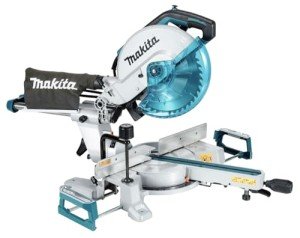
The Comprehensive Guide to Mitre Saws with Slide: Precision Cutting for Woodworking Enthusiasts
Mitre saws, also called chop saws, are important tools in any woodworking or construction workshop. They are created to make exact crosscuts and mitre cuts, important for developing precise angles in framing, trim work, and furniture structure. Nevertheless, basic mitre saws have limitations, particularly when it pertains to cutting longer pieces of wood. best double bevel mitre saw uk is where mitre saws with slides come into play, using extended cutting capacity and enhanced versatility. This post explores the features, benefits, and applications of mitre saws with slides, supplying an extensive guide for woodworking enthusiasts and professionals.
What is a Mitre Saw with Slide?
A mitre saw with slide, or a sliding mitre saw, is a customized tool that combines the precision of a basic mitre saw with the added ability of sliding the blade along a rail. This sliding system allows the saw to manage longer workpieces, making it particularly beneficial for cutting baseboards, crown molding, and other extended materials that require accurate mitre and bevel cuts.
Key Features of Sliding Mitre Saws
- Sliding Mechanism: The most distinct function of a sliding mitre saw is its capability to slide along a rail, extending the cutting variety. This is attained through a system of linear ball bearings or roller guides that permit smooth and regulated motion.
- Mitre and Bevel Adjustments: Sliding mitre saws come with adjustable mitre and bevel settings. Mitre changes allow the saw to rotate left and right, generally approximately 50 degrees on either side. Bevel adjustments enable the saw blade to tilt, generally up to 45 degrees.
- Laser or LED Guide: Many modern sliding mitre saws are equipped with laser or LED guides that project a line onto the workpiece, ensuring exact cuts. This function is specifically useful for beginners and can significantly minimize the margin of error.
- Dust Collection System: Effective dust collection is essential for maintaining a tidy and safe workspace. Sliding mitre saws often consist of built-in dust collection systems, such as a dust bag or a port for linking a vacuum.
- Digital Display: Some innovative designs include digital displays that supply accurate readouts of mitre and bevel angles, making it easier to set and validate measurements.
- Safety Features: Safety is critical when using power tools. Sliding mitre saws are designed with features like blade guards, anti-kickback pawls, and electronic braking systems to reduce the danger of injury.
- Mobility: While some designs are fixed, others are portable and featured bring handles, making them easy to carry to various job sites.
Benefits of Using a Sliding Mitre Saw
- Extended Cutting Capacity: The sliding mechanism permits for cutting longer pieces of wood without the need for additional tools or setups. This is especially useful for tasks involving baseboards, crown molding, and other prolonged materials.
- Precision and Accuracy: Sliding mitre saws offer accurate control over mitre and bevel cuts, making sure that each cut is precise and constant. This is vital for tasks where even a minor variance can mess up the last product.
- Versatility: These saws can manage a variety of materials, including wood, plastic, and metal. They are likewise efficient in making compound cuts, which include both mitre and bevel angles.
- Performance: The extended cutting range and precision of sliding mitre saws can substantially lower the time and effort required for intricate projects. By making multiple cuts in a single setup, users can work more efficiently.
- Ease of Use: Despite their innovative functions, sliding mitre saws are easy to use and can be operated by both experts and enthusiasts. The laser or LED guide, in particular, makes it easier to line up the blade with the wanted cut line.
Applications of Sliding Mitre Saws
- Furnishings Making: Sliding mitre saws are essential for developing intricate and exact joints in furnishings pieces, such as table legs, chair frames, and cabinet doors.
- Cut Work: These saws are ideal for cutting baseboards, crown molding, and door cases, making sure that each piece fits perfectly and looks professional.
- Woodworking: Carpenters utilize sliding mitre saws for a large range of jobs, from cutting rafters and joists to trimming windows and doors.
- Do-it-Yourself Projects: DIY lovers can take advantage of the precision and versatility of sliding mitre saws for projects like constructing bookshelves, crafting photo frames, or setting up trim in their homes.
- Building and construction: In building and construction, sliding mitre saws are used for cutting lumber, plywood, and other products to fit particular dimensions and angles.
How to Choose the Right Sliding Mitre Saw
When selecting a sliding mitre saw, consider the following elements:
- Blade Size: Common blade sizes are 10 inches and 12 inches. Bigger blades provide more cutting depth and appropriate for thicker products, while smaller sized blades are lighter and more manageable.
- Cutting Capacity: Ensure the saw has sufficient cutting capability for your jobs. Look for buy mitre saw and width of cuts in both mitre and bevel positions.
- Power and Speed: Higher power and speed are useful for cutting through tough materials. Inspect the saw's amperage and transformations per minute (RPM) to determine its performance capabilities.
- Precision: Precision is essential. Search for saws with fine-tuning capabilities and reliable laser or LED guides.
- Security Features: Prioritize security by picking a saw with robust security features like a blade guard, anti-kickback pawls, and an electronic braking system.
- Brand name and Warranty: Opt for reliable brands that offer great customer assistance and comprehensive service warranties. Research user reviews and scores to guarantee you are getting a reliable and long lasting tool.
Setting Up and Using a Sliding Mitre Saw
- Prepare the Workspace: Ensure the workspace is well-lit and free of mess. Place the saw on a stable surface area and protect it if necessary.
- Install the Blade: Choose the appropriate blade for the product you are cutting and install it according to the maker's guidelines.
- Adjust the Settings: Set the mitre and bevel angles using the saw's adjustment systems. Validate the settings with the digital screen if readily available.
- Mark the Cut Line: Use a pencil or marker to clearly mark the cut line on the workpiece. If the saw has a laser or LED guide, line up the forecasted line with the significant cut line.
- Secure the Workpiece: Use clamps or a miter saw stand to hold the workpiece firmly in place. This avoids movement throughout cutting and ensures a clean, precise cut.
- Make the Cut: Turn on the saw and gradually slide the blade through the material. Keep a stable and controlled movement to avoid binding or kickback.
- Tidy Up: After the cut, turn off the saw and allow the blade to come to a total stop. Remove any particles and shop the saw in a designated area.
Frequently Asked Questions About Sliding Mitre Saws
Q: What is the difference in between a mitre saw and a sliding mitre saw?
- A: A basic mitre saw can only cut pieces as long as the range from the hinge to the front of the blade. A sliding mitre saw has a sliding system that permits the blade to return and forth, extending the cutting variety and making it suitable for longer workpieces.
Q: Can a sliding mitre saw make bevel cuts?
- A: Yes, many sliding mitre saws are designed to make both mitre and bevel cuts. Bevel changes permit the saw blade to tilt, allowing cuts at angles approximately 45 degrees.
Q: How do I keep a sliding mitre saw?
- A: Regular maintenance includes cleaning the saw after each usage, oiling the sliding mechanism, examining the blade for wear, and guaranteeing all security functions are working appropriately. Describe the producer's guidelines for specific maintenance directions.
Q: Are sliding mitre saws appropriate for novices?
- A: While sliding mitre saws use advanced features, they are developed to be easy to use. Novices can gain from the precision and safety features, however it is essential to acquaint oneself with the saw's operation and security standards before use.
Q: Can a sliding mitre saw cut metal?
- A: Yes, with the proper blade, a sliding mitre saw can cut through thin metals like aluminum and steel. Nevertheless, dedicated metal-cutting saws are frequently more effective and safer for sturdy metal work.
Q: What is the very best method to store a sliding mitre saw?
- A: Store the saw in a dry, safe and secure area to prevent rust and damage. Use a cover or case to secure it from dust and particles. If the saw is portable, shop it in its bring case.
Sliding mitre saws are powerful and versatile tools that can greatly boost the precision and performance of woodworking and building projects. Their extended cutting capacity and ability to make precise mitre and bevel cuts make them indispensable for tasks including longer and more complicated materials. By comprehending the features, benefits, and correct usage of these saws, users can accomplish professional results and make sure a safe and efficient work environment. Whether you are a seasoned professional or a DIY enthusiast, a sliding mitre saw is an important addition to your tool collection.
Extra Resources
- Producers' Websites: Visit the websites of leading mitre saw manufacturers for in-depth item requirements and user manuals.
- Online Tutorials: Utilize online tutorials and videos for step-by-step guidance on using and keeping your sliding mitre saw.
- User Forums: Join woodworking and building online forums to share ideas and get suggestions from skilled users.
By following these standards and leveraging the advanced functions of a sliding mitre saw, you can elevate your woodworking tasks to brand-new levels of precision and workmanship.